What does it mean to die well — and what does it mean to care well?
Sociologist and public health professor Allan Kellehear has spent decades studying how people experience dying, caregiving and loss. He observes that the end of life is not just a medical event but a social, psychological, and spiritual process — unfolding not only in hospitals but also in homes, schools, places of worship, and neighbourhoods.
Yet many healthcare systems treat dying almost exclusively through a clinical lens, focusing mainly on medical priorities. When patients or families need help, the typical response is to add more professionals rather than engaging the surrounding community.
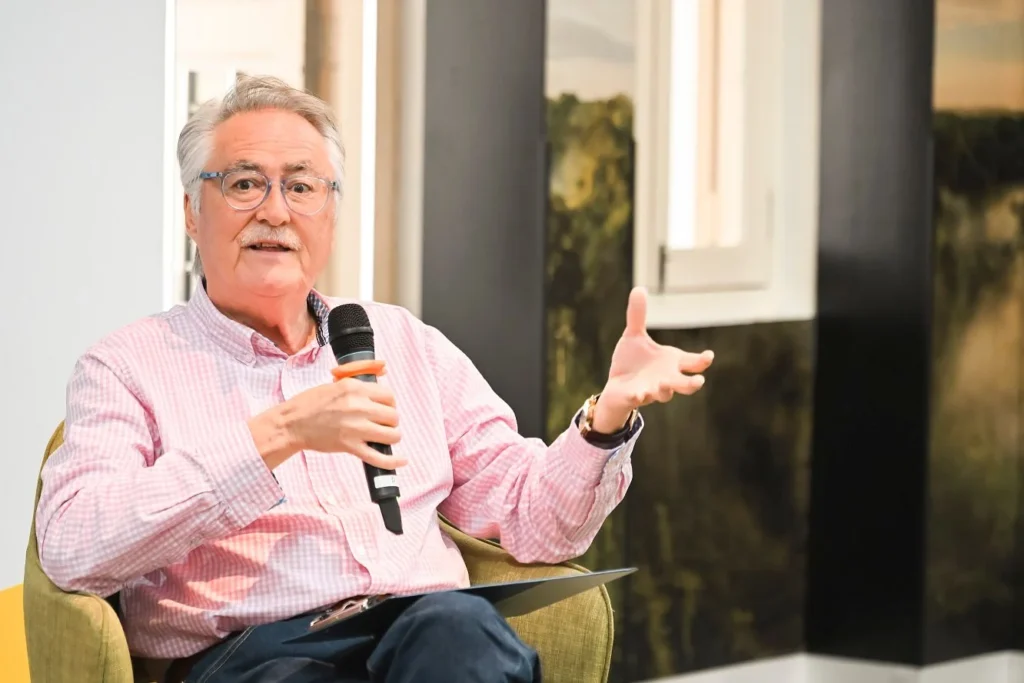
This is why civic-based, public health approaches are needed to complement clinical care, he added.
“It is self-evident that caregiving and grief are not medical experiences at all. Away from an array of difficult medical challenges, most dying people live in the world of relationships, meaning-making, and hope maintenance in their day-to-day lives. These are social, psychological and spiritual experiences and they require — indeed they cry out — for equally social, psychological and spiritual responses.”
This idea became the foundation of the Compassionate Communities movement, which Prof Kellehear first introduced while working in Australia. The movement calls on society to share collective responsibility for care at the end of life.
It encourages ordinary people, institutions, and local governments to become involved. This may include neighbours regularly checking in on someone living alone, youth volunteers befriending elders, schools teaching grief literacy, or employers granting compassionate leave during caregiving rather than just after a death. On a broader level, it calls for policies that acknowledge caregiving and grief as core human experiences rather than niche issues.
Prof Kellehear frames compassionate communities as grassroots, neighbourhood-based support networks — participatory, bottom-up efforts where people work together. By contrast, compassionate cities involve broader social ecology approaches: changing entire physical and social environments to influence how people care for one another.
Crucially, Prof Kellehear distinguishes compassion from care. Care in medical systems is often something done to or for a patient. Compassion, however, is reciprocal — sharing the care and recognising that the people we care for also care for us. “Compassion is a reciprocal understanding that dying, caregiving, and loss are universal experiences we must all endure and learn from — together,” he said.
Compassion isn’t one-way, Prof Kellehear explains. The dying and bereaved aren’t just passive recipients of care — they offer insight and meaning to those around them. Many don’t want to be defined by illness or compromised health, but seen as people who can both give and receive. They too, can be active policy drivers and actors. Building truly compassionate communities means co-creating with, not just for, those affected by death, caregiving and loss.
The idea was largely well-received, especially within the medical community. Many in hospice and palliative care felt the field had suffered from “mission drift” — a shift away from its early commitment to whole-person care towards a narrower, clinical focus on the dying body.
Still, there was pushback. Some critics insisted palliative care should remain strictly clinical, focused on the last weeks of life. To them, public health approaches felt like a misallocation of limited resources, specifically time, money or staff. Some questioned whether the public health approach was evidence-based or assumed volunteers and social workers already covered that ground.
Since then, the compassionate communities model has taken root globally — from grassroots groups to national policies — with each place adapting it to local culture.
In Kerala, elders and faith leaders lead efforts; in Taiwan, village doctors support social care; in the UK, grief cafés and death festivals foster dialogue. Across contexts, the shift is obvious: from clinical focus to social connection, from individualised dying to collective care.
Singapore’s First Steps Forward
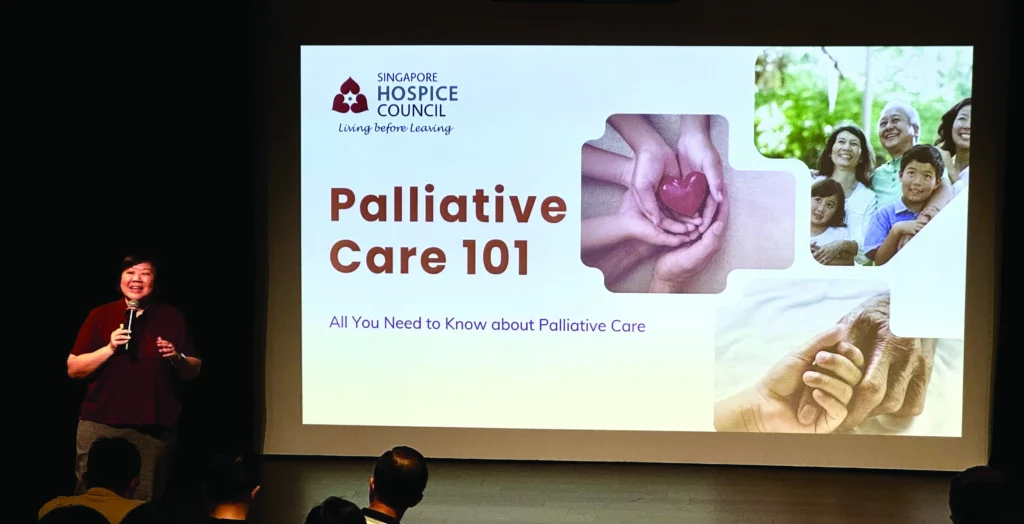
For the past two years, the Singapore Hospice Council (SHC) has quietly laid the groundwork for a nationwide Compassionate Communities movement.
While conversations about de-medicalising death have circulated for years, SHC Executive Director Ms Sim Bee Hia noted that public understanding remains limited. Many people are still unaware of what palliative care entails, how to access it, or that there are different types of services, even among healthcare operations and administration.
SHC was drawn early to the idea of Compassionate Communities, but in Singapore, the word “compassionate” didn’t quite resonate. “People saw it as a descriptive word, not an approach,” said Ms Sim.
Singaporeans tend to be pragmatic. “They want the knowledge first — the information part. So we took a Singapore-style approach: give them the facts, then introduce the concept.”
She pointed to global studies, including one from Australia, showing how such models reduce hospital readmissions and emergency visits, easing pressure on healthcare systems and cutting costs.
To build buy-in, SHC avoided a top-down approach. Instead, it trained staff and volunteers as “community signposts”, equipping them with basic palliative care knowledge. SHC also brought together healthcare administrators, nursing home directors, and other leaders to identify key challenges they faced. These dialogues created safe spaces and laid the groundwork for SHC’s broader role as a thought leader shaping the national conversation on community-centred end-of-life care.
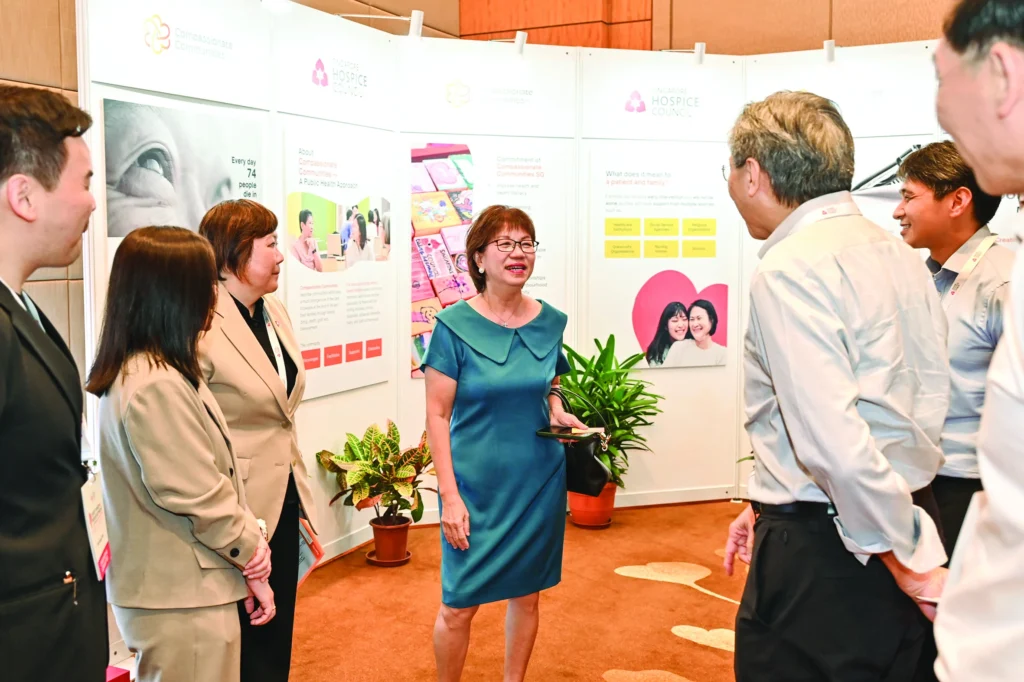
The Compassionate Communities Singapore movement was first introduced at SHC’s Grief and Bereavement Conference in November 2024, followed by a broader cross-sector dialogue in early 2025. Representatives from healthcare, education, faith-based groups, the arts, and community services gathered to explore collaborative opportunities.
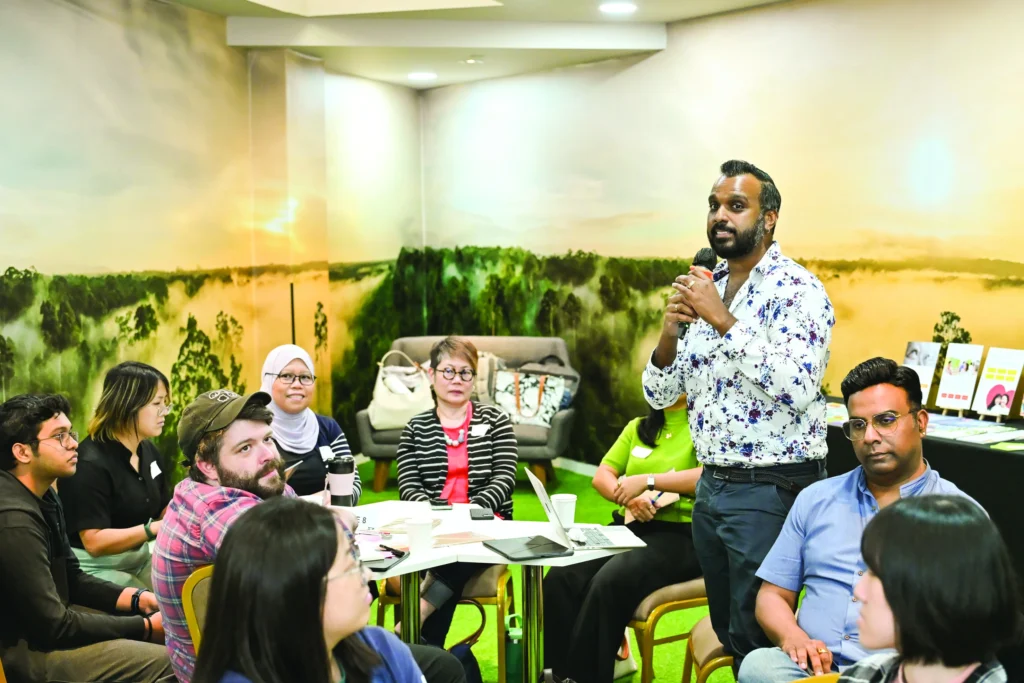
Notably, the palliative care leads from Singapore’s three healthcare clusters have voiced strong support for Compassionate Communities Singapore. In a media release, Dr Wu Huei Yaw shared, “Compassionate Communities Singapore is a wonderful initiative. We are pleased to work towards a society where individuals at the end of life, their loved ones, and those who are grieving receive the additional care they need from the community.”
These healthcare leaders look forward to walking hand-in-hand with non-healthcare institutions to strengthen this nationwide effort.
The formal launch is planned for October 2025 during the Live Well. Leave Well. Festival, with a public installation, and a sharing by Prof Kellehear on building compassionate communities. SHC will also roll out a starter kit and charter, offering tools and examples for organisations to begin at their own pace and in their own way.
Over the next year, SHC aims to grow more Compassionate Communities, whether individual institutions or those serving the same area. An active ageing centre might add end-of-life talks to its weekly sessions or offer forest therapy walks to ease caregiver stress. A senior group might host pet therapy workshops.
“It’s about knowing what assets you have, and then piggybacking on them,” said Ms Sim.
Rather than prescribe a fixed model, SHC acts as a connector and capacity builder, helping groups learn from one another, linking youth groups with palliative care teams or mosques with caregiver support services. The goal is to change people’s perspectives on death, dying, and grief, with initiatives spearheaded by each organisation.
“Driving change from within organisations requires a mindset shift around death, dying, grief, and bereavement. When they’re ready, we’ll help connect them to create synergy, save resources, and ensure families get the support they need,” said Ms Sim.
Dementia Care, The Compassionate Way
As one of SHC’s designated community signposts, Dementia Singapore (DSG) exemplifies how Compassionate Communities principles translate into action. This partnership took a significant step forward on 6 September 2024 when SHC conducted a Palliative Care 101 session with DSG, where CEO Mr Jason Foo announced plans to formally adopt a multidisciplinary palliative approach to dementia care, addressing physical, psychosocial and spiritual needs holistically.
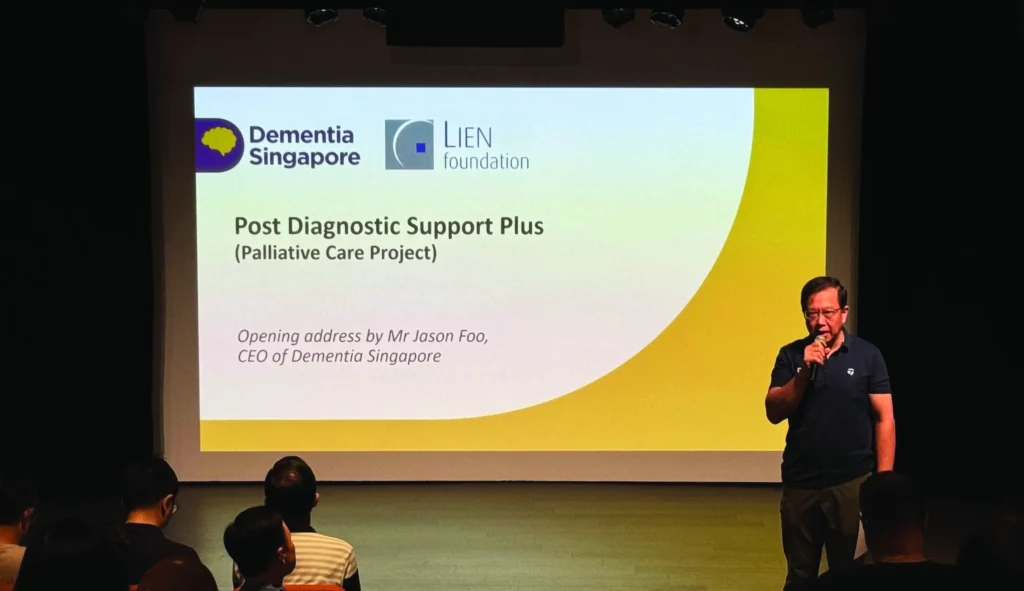
For DSG’s Director of Care Services Mr Stephen Chan, this palliative approach aligns perfectly with their existing vision that a dementia diagnosis doesn’t preclude “a good and fulfilling life”. In recent years, DSG has worked to foster a dementia-inclusive society, challenging stigma around the condition. Rather than focusing on decline, DSG has shifted the narrative to focus on the positive aspects of the person rather than the dementia.
This philosophy begins with person-centred care, taking an individual’s biography, personality, values and social environment into consideration. “When we care for them this way, we see more positive results,” said Mr Chan. It means addressing not just physical needs but psychological ones such as identity, inclusion and comfort, responding with empathy rather than judgement.
DSG partners with other organisations such as the Agency for Integrated Care and SHC while developing programmes such as Voices for Hope (an advocacy initiative) and CARA (a lifestyle and community digital platform for persons living with dementia and caregivers). Their work includes creating inclusive workplaces for people with early-stage dementia and a Lien Foundation-supported palliative care toolkit for long-term planning.
Mr Chan points to success stories like Uncle Thomas, a former school principal with dementia who continues to teach. “It’s about maintaining dignity, purpose and connection throughout the journey.”
The seeds of compassionate community work in Singapore are part of a wider blooming, one that, as Prof Kellehear notes, may soon see palliative care and public health walk hand in hand.
Prof Kellehear believes palliative care will increasingly align with public health, just as fields like mental health, disability, and trauma medicine have already done. “Compassionate Communities as public health palliative care is one of the few fields where practice has led the research and not the reverse,” he writes. “Research and development for the future will come from the interdisciplinary strengths of both palliative care and its complementary dance partner — public health. Together, the future prospect for care of all people at the end of life will be a better quality one for all.”